

You’ve come to the right place. If you’re feeling confused about where to go and which direction to take, I’m here to help! I have one stellar recommendation and some vital questions to share with you before you invest in your training.
Things I Think Are Imperative
When choosing a training provider, there are a few things I believe are absolutely essential for your success:
Hands-on, in-person training
Virtual learning can be useful, but there’s no substitute for in-person experience. You need someone standing next to you, showing you the methods, pointing out what to look for, and giving real-time feedback.Exceptional aftercare
Make sure your provider offers ongoing support. You should be able to speak to someone directly whenever you have questions — especially at the start, until your confidence builds.Access to the right tools
Check whether the training provides drapes or other essential materials for purchase. It’s important that you can access the tools you need without having to hunt for them yourself.Practical training in makeup and hair tones
You need guidance on how to work with makeup and hair to find the correct tones for each client. As colour analysis goes well beyond clothing. This ensures your clients look their best and gives you confidence in your recommendations.Training in the full 16-season method
Teaching just the four seasons is outdated. Clients today are more aware of colour analysis, and many will expect subseason-level precision. Training should give you the knowledge and confidence to work in full detail — just teaching “seasons” is not enough.No contract required
Unless you’re joining a franchise, you should never have to sign a contract. You pay for the training, and any tools or products you create or use should be completely up to you.
My Top Recommendation: LuLu Boutique School of Colour Analysis
If you want training that actually prepares you to succeed, I can’t recommend LuLu Boutique School of Colour Analysis enough. I’ve seen her course firsthand, and it’s unlike anything else on the market.
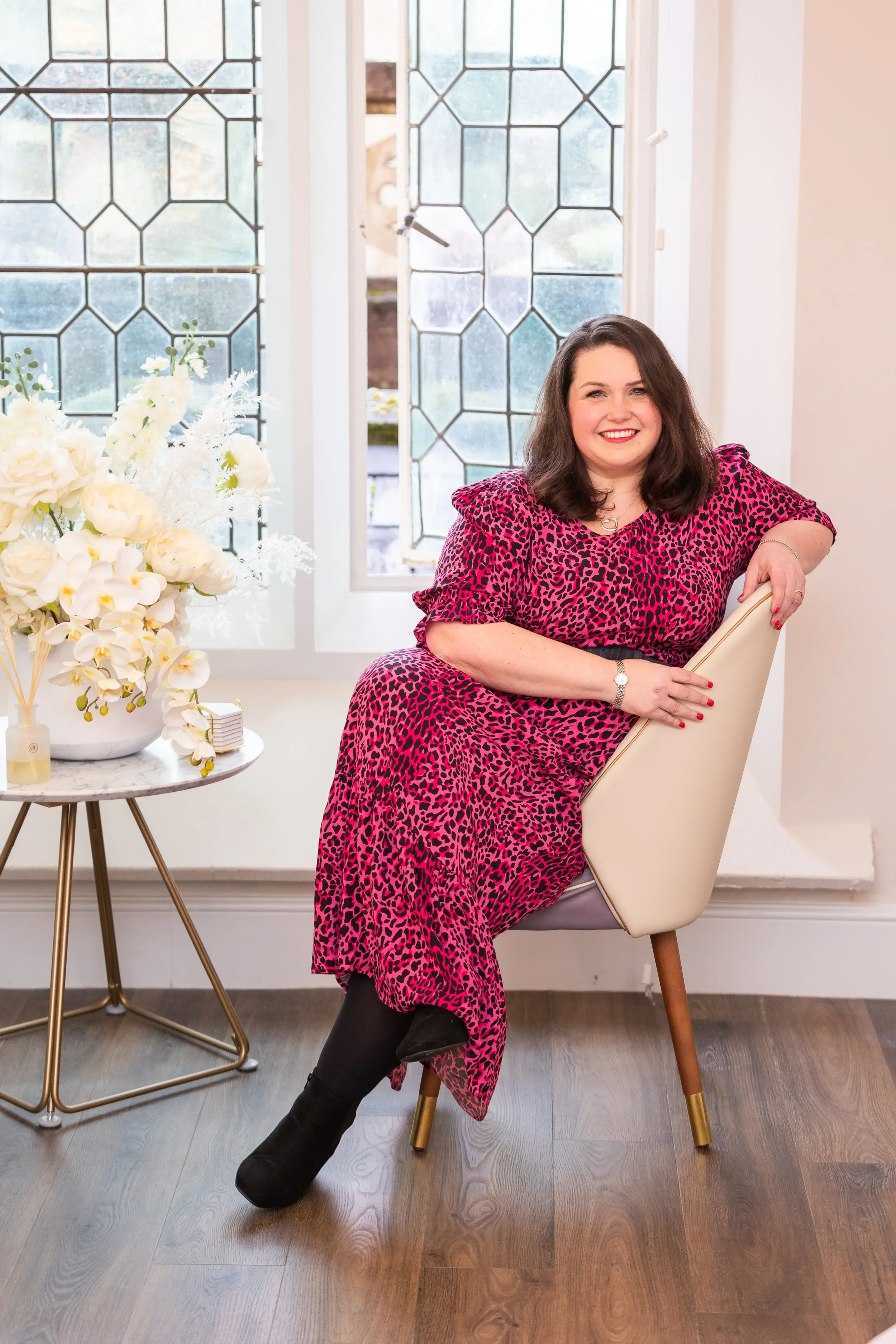
Here’s why:
Pre-course learning & modules: Some things can be taught online and other things are really required for hands on. She saves in person days for the things that matter most… the draping! Therefore, she provides structured learning before the course begins, explaining not just the “how” but the “why” behind her methods. She delivers 5 online modules to get you fully prepped for day 1.
Completely franchise-free: No contracts, no hidden obligations, and no requirement to purchase products from her. While she has created her own curated drapes and created her own tools, she also highlights other brands and tools in her brochure — so you can choose what’s right for your business. True inclusion and support for what’s best for you.
Practical business training: Lucy brings in a marketing professional so you get real tangible advice, not vague recommendations. You learn exactly what you need to run a successful, professional business with insights to take away and implement.
Hands-on makeup training: A lead makeup artist teaches makeup for sub-season tones — beyond just warm vs cool — which truly matters for client results.
One full day 1:1 with Lucy: She observes your first solo session with a paying client and even helps you find that client. You keep the session fee — no hidden costs. She comes to you and your set up and you get a full day of bespoke support, whatever you need.
Payment plan available: Works with you to come up with a fair payment plan that works for your situation.
Training is held on a Sunday: With limited distruption to everyday life. She didn’t want to choose a time that wasn’t convenient for you or your day to day lifestyle- but rather select a time that works for your schedule without neeting to take time off work.
Ongoing support: Her WhatsApp group is buzzing with ideas, tips, and encouragement from other stylists. You’re never left on your own.
If you’re looking to learn more, you can get in touch with Lucy or download her free brochure for more information.
lucy@lulu-boutique.com
https://www.lulu-boutique.com/shop/p/free-colour-analysis-training-brochure
But before you decide on where to train here are some vital questions to ask:
When speaking to different academies and comparing them, not all training is equal. Here are the vital questions you need to ask in my opinion:
Do you teach sub-seasons? How much time is spent on this? (There should be atequite amount of time spent on this to deliver modern colour analysis sessions.)
Do you provide learning materials after the course finishes? (If they have a membership or group, there should always be a place for updated learning and materials to be shared… at no additional cost).
What does your aftercare look like? (Do they check in on you? How can they get ahold of you directly? Not just support through other stylists in the community).
What happens if I leave training and feel confused while practising on clients? (Red flag: you should not leave feeling confused. That’s not normal. How will they rectify it?)
Do I have to sign a contract? (Red flag: unless it’s a franchise, this is unnecessary and concerning.)
Am I obligated to buy your branded products, or can I create my own? (If you’re not part of a franchise, you should be free to choose what’s best for you and your business. Maybe what’s best is creating your own products. Will they help you with this? A decent instructor will support wherever and however they can.)
Do you go into contrast levels, fundamental principles, chroma, value, and specifically what to look out for in detail? (This is crucial and imperative for delivering ACCURATE colour analysis).
If there’s a stylist directory, are all students included? If not, why? (All stylists who have trained should be represented. If not, what are they trying to hide?)
Can I contact your students directly? (Not just the ones highlighted on your website. Every student with a positive experience will want to share it. And for those who didn’t have a positive experience. Why was that?)
How many of your students are operating full-time or how many of your students alongside their job are seeing a large number of people a week a month? And can I speak to them? (This is important to know. If most of their students are struggling, this is a concern. If most of their students are soaring, green flag!)
How many of your students are struggling to get clients or not operating anymore, and what support do you offer them? (Important to ask. If they want to train you and never see you again, find someplace else. There are amazing stylists communities out there).
Do you offer marketing and business advice? (This should be from someone who understands digital marketing at an expert level).
If you highlight student successes, can I speak directly to those individuals? (Who are these students- ask to speak to them. If they say no, be aware.).
If they have a membership, are all of your students a part of your membership? How many people have you trained? (Let’s say they say 30 people and only 10 are in the membership. There is a problem. Why aren’t they in the membership anymore)?
Asking these questions will help you make an informed decision and avoid programs that don’t fully support their students.
Choosing the right training provider — one that is ethical, honest, and trustworthy — is absolutely vital. You’re investing thousands of pounds, so make sure you find someone you can rely on.